Book Note: Thomas Wayment, The Text of the New Testament Apocrypha
One of the titles I mentioned in my SBL Diary back in November (and deserving of more attention) is Thomas A. Wayment’s The Text of the New Testament Apocrypha (100-400 CE) (London: T&T Clark, 2013). Wayment, an Associate Professor of Ancient Scripture at Brigham Young University, has assembled here a collection of the earliest Christian Apocrypha extant on papyrus and parchment from the first five centuries. Note, however, that only Greek manuscripts are featured in the volume.
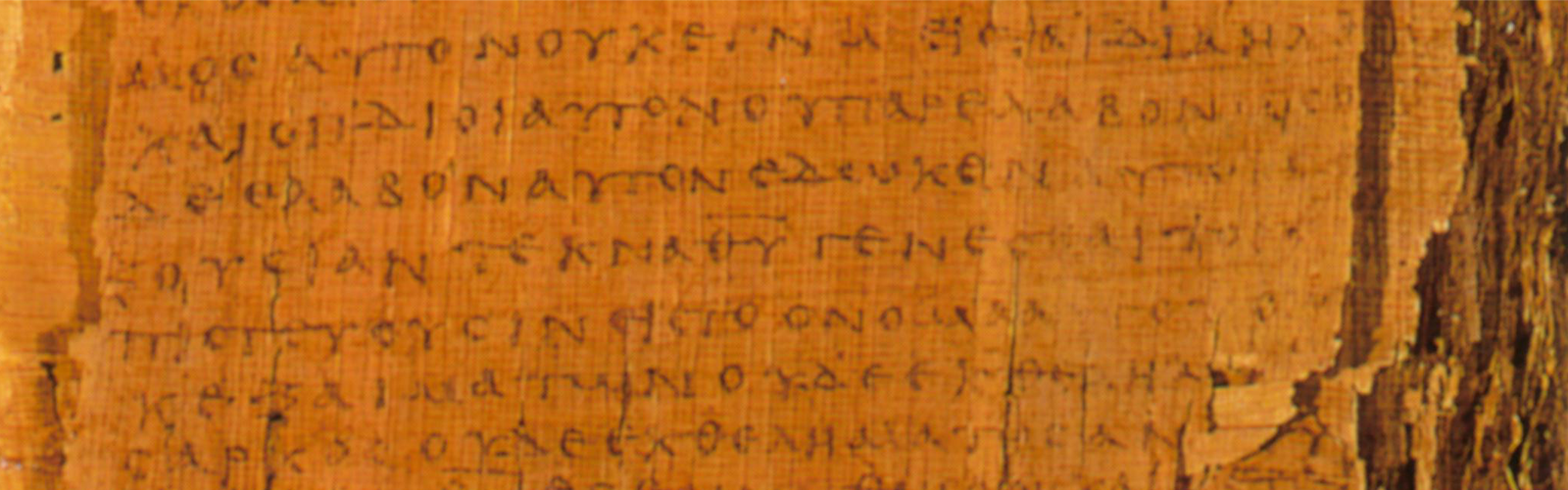
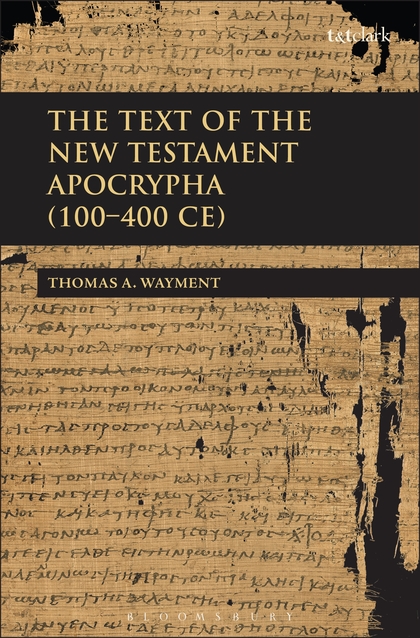 Each chapter of the book focuses on a single text (e.g., the Didache, the Gospel of Mary) or a group of texts (Acts of the Apostles, Sayings Gospels) and provides a bibliography, orthographic notes, and critical editions (not merely transcriptions) of each manuscript. The back half of the volume contains photographs of each manuscript, the majority in colour. The images vary in quality—P. Bodmer V and X, for example, are clear and gorgeous to look at, but P. Oxy 840 is reproduced too small and the reverse side of each page bleeds through the papyrus, making the text difficult to read.
The full list of texts included in the volume is: Acts of the Apostles (John, Paul, Peter), the Epistle of Barnabas, the Didache, the Gospel of Mary, the Gospel of Peter, the Infancy Gospel of James (including a complete edition of P. Bodmer 5 and two recently published manuscripts: P. Ashmolean inv. 9 and Cairo Greek Papyrus JE 85643), the Shepherd of Hermas (with …

 On Friday, November 1 world-renowned Christian Apocrypha scholar François Bovon died after a long illness. Many of us learned of his passing on Saturday; a
  Jones was followed by Stephen Shoemaker (University of Oregon), presenting on “The Tiburtine Sibyl, …
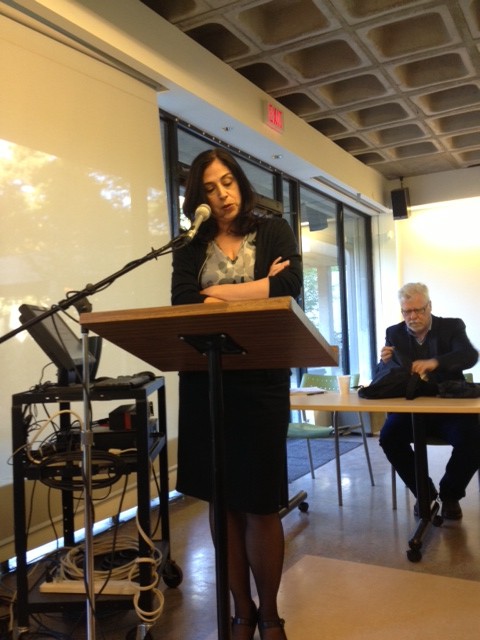 Nicola Denzey Lewis (Brown University) followed with dynamic presentation, “Nag Hammadi, Gnosticism, Apocrypha: Bridging Disciplinary Divides.” The paper points out how scholars have divided Gnostic texts from other apocrypha—“high” vs. “low” literature, the CA are folkloric but Gnostic texts are “the ugly, wicked stepsisters in the fairytale of NT studies.” The divide is most apparent at conferences like the SBL Annual Meeting, which separates Nag Hammadi or Gnostic Studies from Christian Apocrypha, despite the fact that some Nag Hammadi texts are not Gnostic (e.g., the Acts of Peter and the Twelve Apostles) and some Gnostic texts are not from Nag Hammadi (e.g., the Pistis Sophia, the Gospel of Mary); one text in particular, the …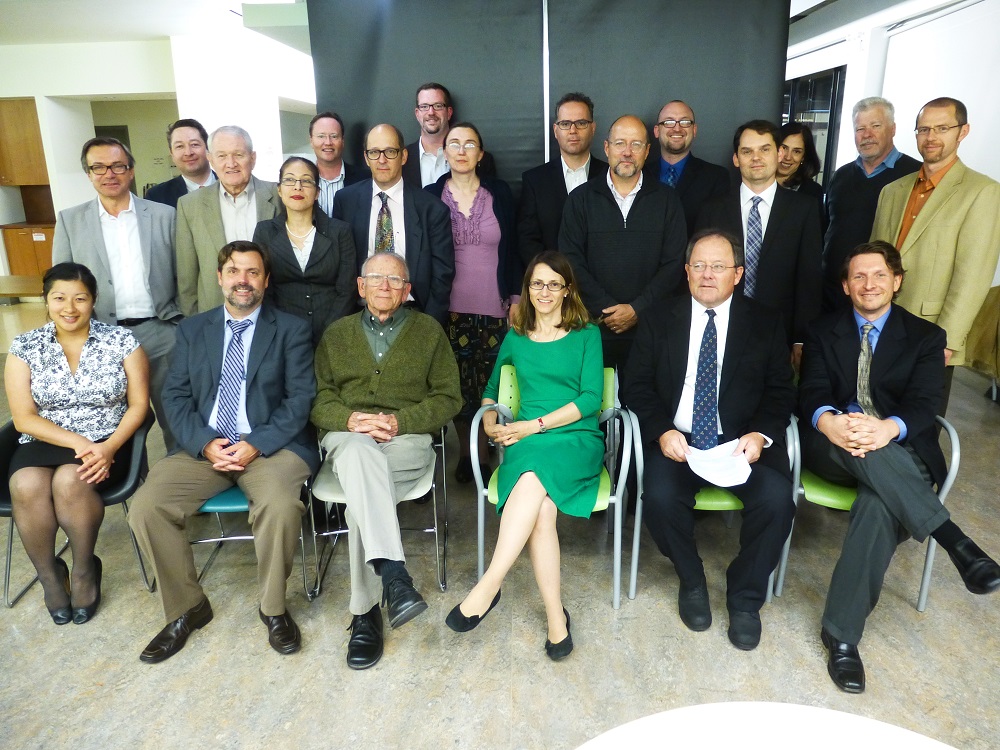
 The success of the first Symposium enabled us to aim higher for the second. This time we gathered 19 scholars for presentations taking place over two days. Everything …