The 2013 York Christian Apocrypha Symposium in Retrospect: Part Three
Day two of the symposium was intended as a look to the future. The first session featured several of the participants in the More Christian Apocrypha Project (MCAP), which is producing collections of apocryphal texts in English translation (some for the first time), primarily by North American scholars. These papers examined some little-known or under-appreciated texts and traditions. In the first presentation, F. Stanley Jones (California State University) examined “The Distinctive Sayings of Jesus Shared by Justin and the Pseudo-Clementines.” Jones is contributing two pieces for the first More Christian Apocrypha volume: the Syriac epitome of the Acts of Peter, and the Aramaic fragments of the Toledot Yeshu (which have not yet appeared in English translation). We have talked also of including some or all of the Ps.-Clementine corpus in a future volume, since the material has not appeared in English translation for almost 150 years. Jones noted in his talk that he has constructed a synopsis of the witnesses to the text but has not found a publisher for it; this is unfortunate because it would be an important resource for studying the text. As for Jones’s paper, it presents an argument against the view that the shared sayings derive from a gospel harmony; instead Ps. Clem. seems to have pulled them from Justin’s lost work Syntagma, which Justin wrote to refute Marcion. The sayings thus have a distinct Marcionite or anti-Marcionite flavour.
 Jones was followed by Stephen Shoemaker (University of Oregon), presenting on “The Tiburtine Sibyl, …
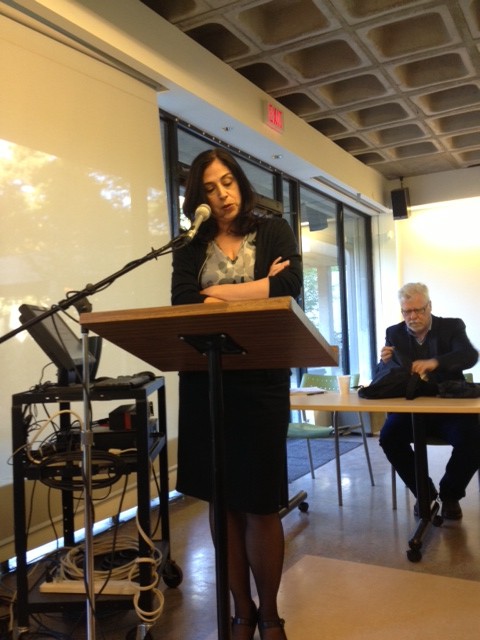 Nicola Denzey Lewis (Brown University) followed with dynamic presentation, “Nag Hammadi, Gnosticism, Apocrypha: Bridging Disciplinary Divides.” The paper points out how scholars have divided Gnostic texts from other apocrypha—“high” vs. “low” literature, the CA are folkloric but Gnostic texts are “the ugly, wicked stepsisters in the fairytale of NT studies.” The divide is most apparent at conferences like the SBL Annual Meeting, which separates Nag Hammadi or Gnostic Studies from Christian Apocrypha, despite the fact that some Nag Hammadi texts are not Gnostic (e.g., the Acts of Peter and the Twelve Apostles) and some Gnostic texts are not from Nag Hammadi (e.g., the Pistis Sophia, the Gospel of Mary); one text in particular, the …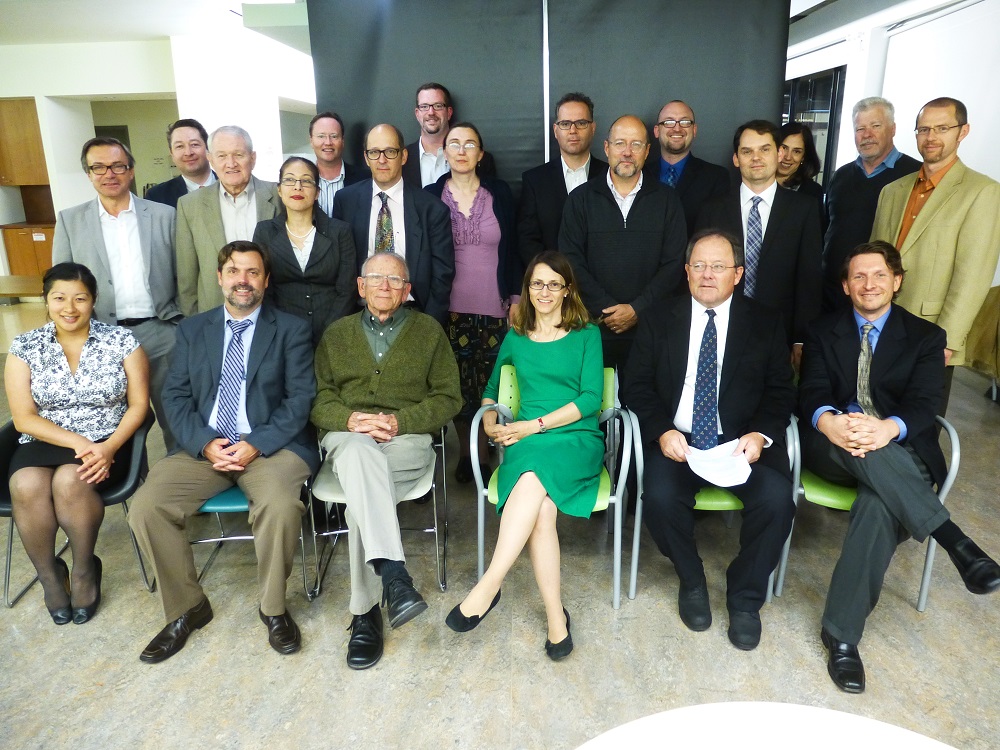
 The success of the first Symposium enabled us to aim higher for the second. This time we gathered 19 scholars for presentations taking place over two days. Everything …