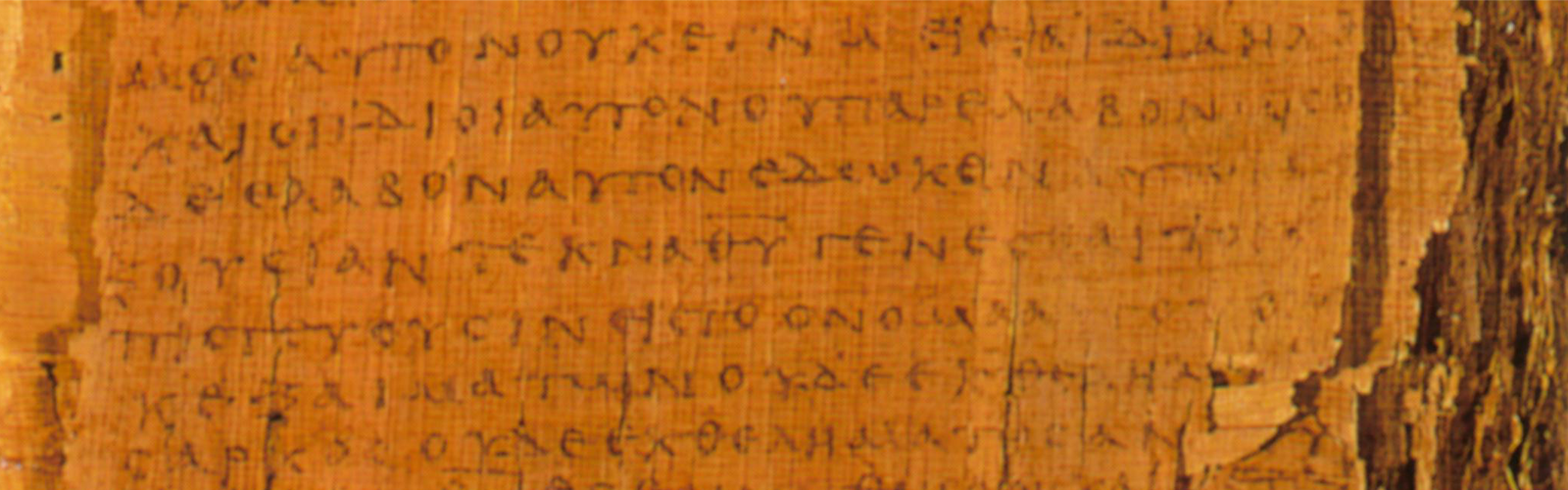
YCAS Profiles 5: Brandon Hawk
This is the fifth in a series of profiles of the presenters at the upcoming 2015 York University Christian Apocrypha Symposium to be held September 25-26 at York University in Toronto. Remember, if you register for the symposium, you will receive drafts of the papers in advance, thus enabling you to participate more fully in the discussions that follow. For registration information, visit the YCAS 2015 web site (HERE).
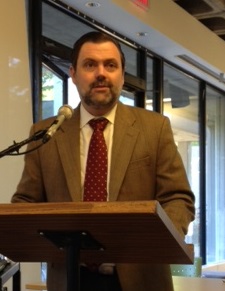
 Brandon W. Hawk is Assistant Professor of English at Rhode Island College. He is currently working on his first book, Preaching Apocrypha in Anglo-Saxon England, which challenges normative assumptions about versions of parabiblical gospels, acts, and apocalypses in Old English sermons, suggesting that these apocrypha are a significant part of the apparatus of tradition inherited by Anglo-Saxons.
While earning his MA (2007) and PhD (2014) in the Medieval Studies Program at the University of Connecticut, Hawk learned the value of interdisciplinary scholarship. With this perspective, most of his interests in research and teaching encompass what might be called transmission studies: the afterlives of texts and ideas, including circulation, translations, adaptations, and representations in various cultures and media. About his research, he says, “Scholars have focused to a large extent on early Christian Apocrypha, but many apocrypha have yet to be studied from the medieval period—either created then, or transformed into new iterations.” One of these texts is the Gospel of Pseudo-Matthew, an expansive Latin adaptation of the earlier Protevangelium of James, which circulated widely in the …


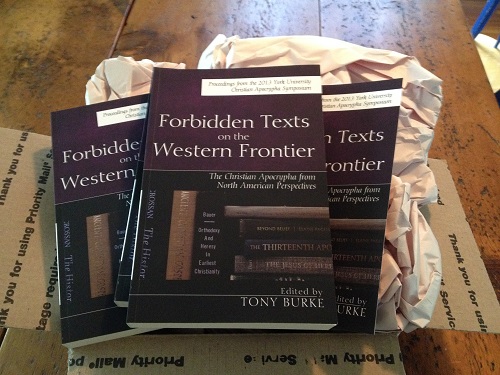
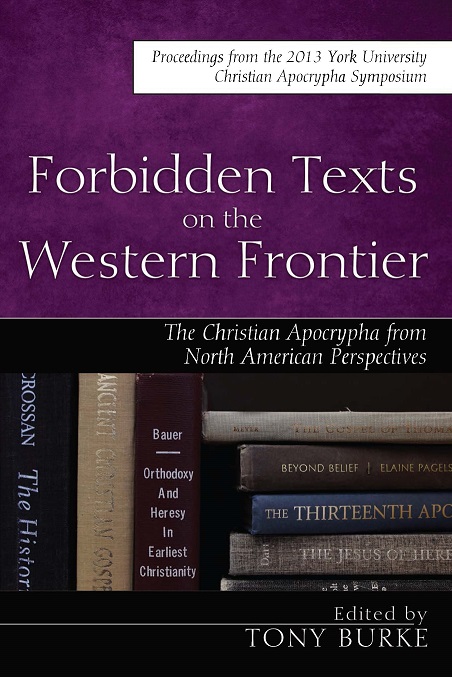
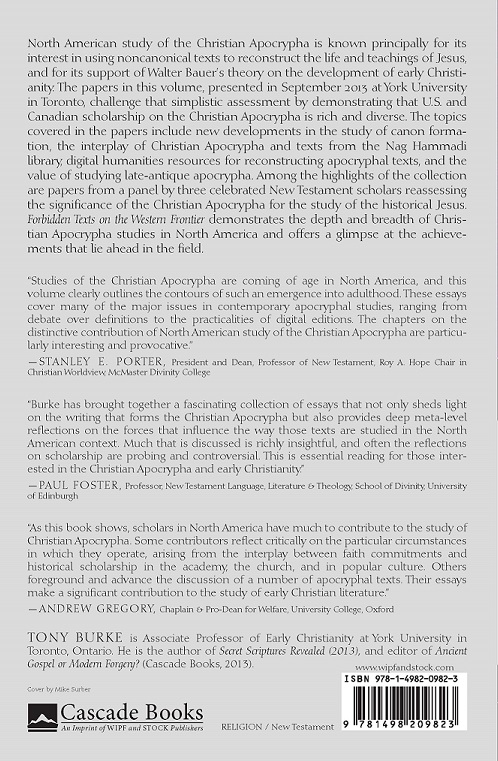
 Jones was followed by Stephen Shoemaker (University of Oregon), presenting on “The Tiburtine Sibyl, …
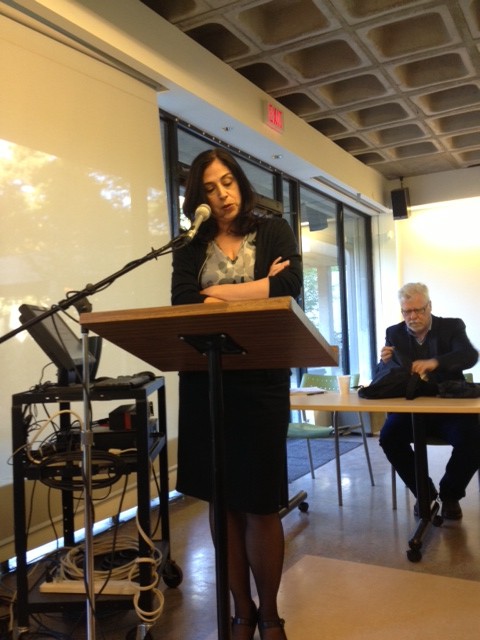 Nicola Denzey Lewis (Brown University) followed with dynamic presentation, “Nag Hammadi, Gnosticism, Apocrypha: Bridging Disciplinary Divides.” The paper points out how scholars have divided Gnostic texts from other apocrypha—“high” vs. “low” literature, the CA are folkloric but Gnostic texts are “the ugly, wicked stepsisters in the fairytale of NT studies.” The divide is most apparent at conferences like the SBL Annual Meeting, which separates Nag Hammadi or Gnostic Studies from Christian Apocrypha, despite the fact that some Nag Hammadi texts are not Gnostic (e.g., the Acts of Peter and the Twelve Apostles) and some Gnostic texts are not from Nag Hammadi (e.g., the Pistis Sophia, the Gospel of Mary); one text in particular, the …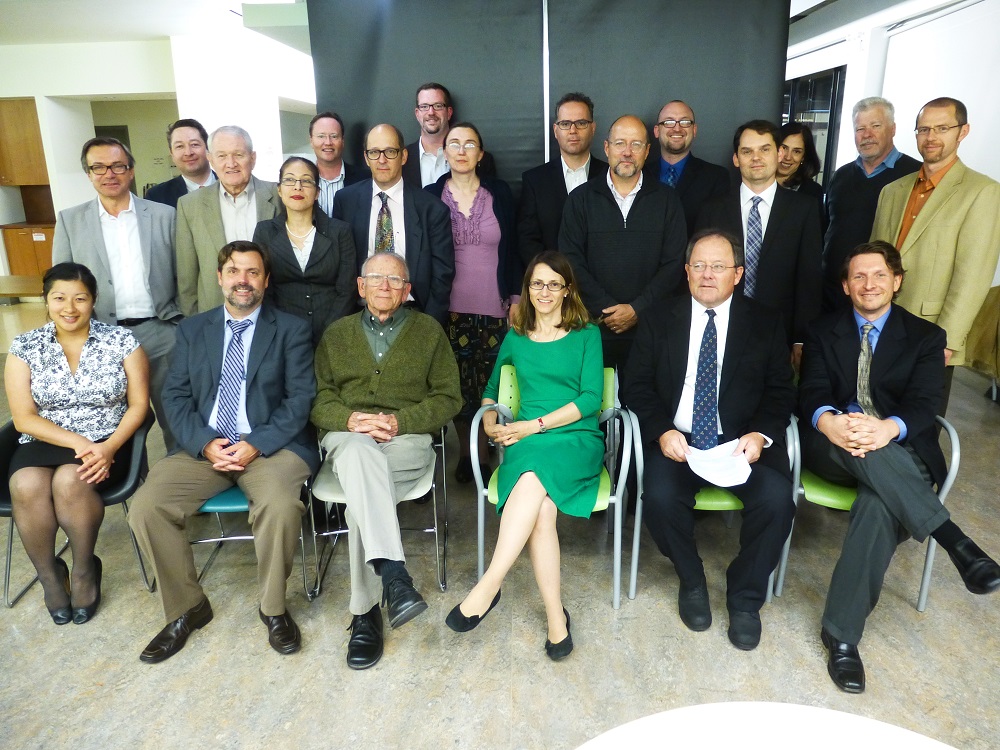
 The success of the first Symposium enabled us to aim higher for the second. This time we gathered 19 scholars for presentations taking place over two days. Everything …