Women in the Gospel of Thomas (a response to Rob Bowman)
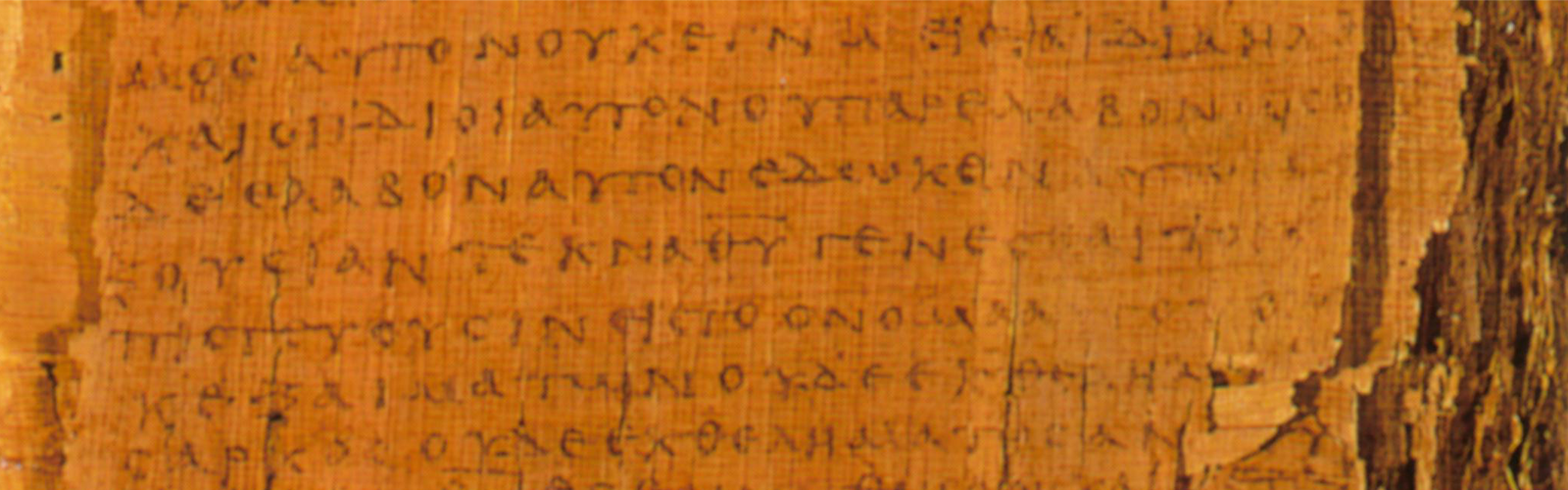
Rob Bowman has posted another response to my Heresy Hunting in the New Millennium article, this time focusing on the apparent “misogyny” of Gos. Thom. 114. Just to recap the discussion, I stated previously that assessments of the logion as “misogynist” were anachronistic and showed a lack of awareness of scholarship on the text. In response, Bowman excerpted a number of non-conservative scholars (including Pagels, Patterson, and Meyer) who agree that the saying is indeed misogynist. These may not be the best scholars to appeal to in this debate, however, as they write often for popular audiences and their comments on the texts may suffer from the same lack of depth as the apologists I criticize. Mind you, I’m no expert on this text, so I hesitate to say too much about it. But I will limit myself to a few points in my defense.
1. I don’t think Rob can argue that the apologists say little about the logion besides labeling it misogynist. Rob simply supports their conclusion with the views of other scholars. My concern was with the neglect of other scholarship which would more rightly put the saying in its context. Put simply, it looks misogynist to us, but to the author and audience, it may not. That’s what I mean by anachronistic. Far too often these texts are evaluated through modern eyes. The same care that we see being employed with Paul’s “misogyny” in 1 Cor. (i.e., evaluating his comments in the context of life in …
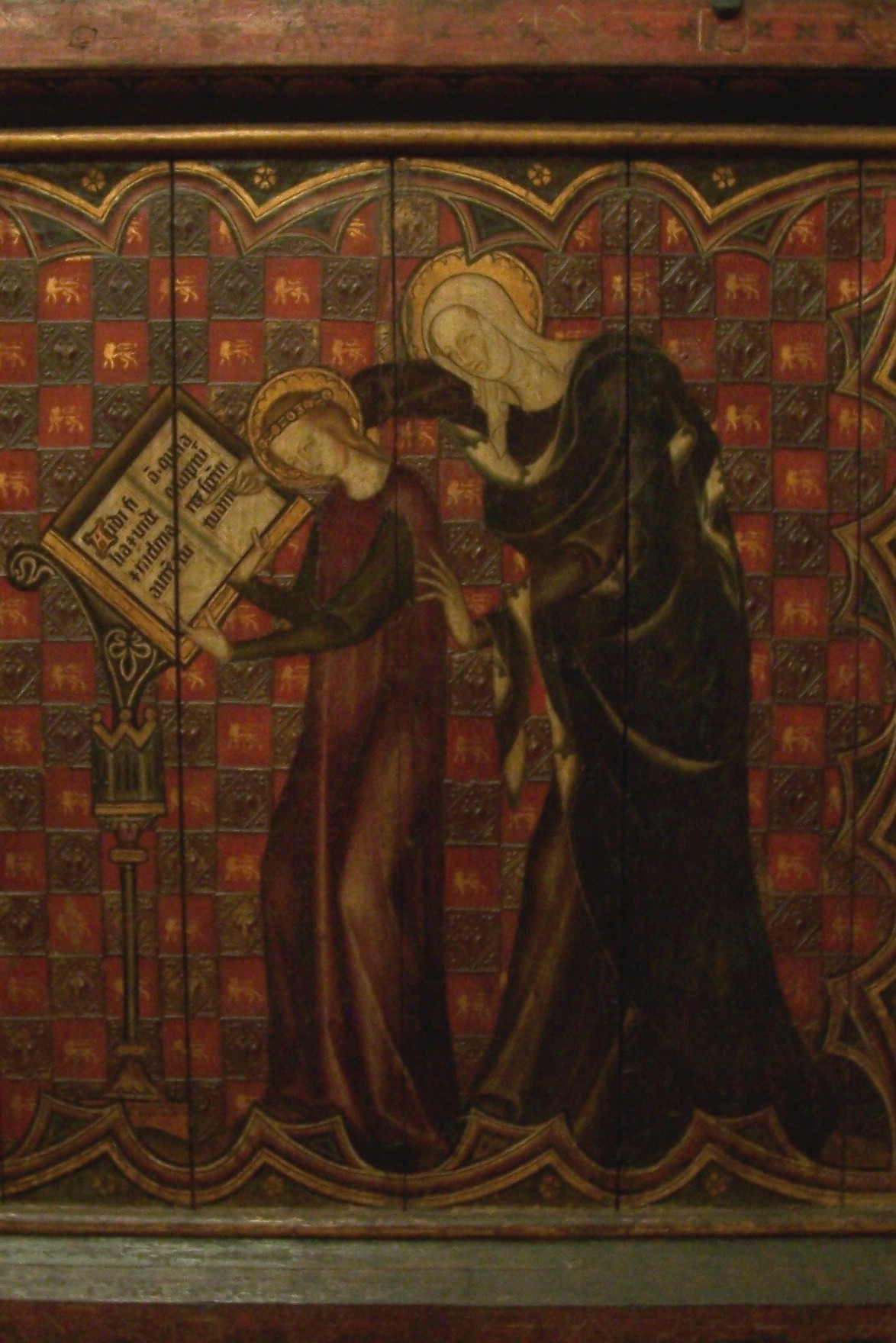 While in Paris last week, I visited the Musée National du Moyen Age. The museum is situated in the Latin Quarter of Paris, combining two earlier buildings: Gallo-Roman baths (1st-3rd cent.) and the former residence of the abbots of Cluny (15th cent.).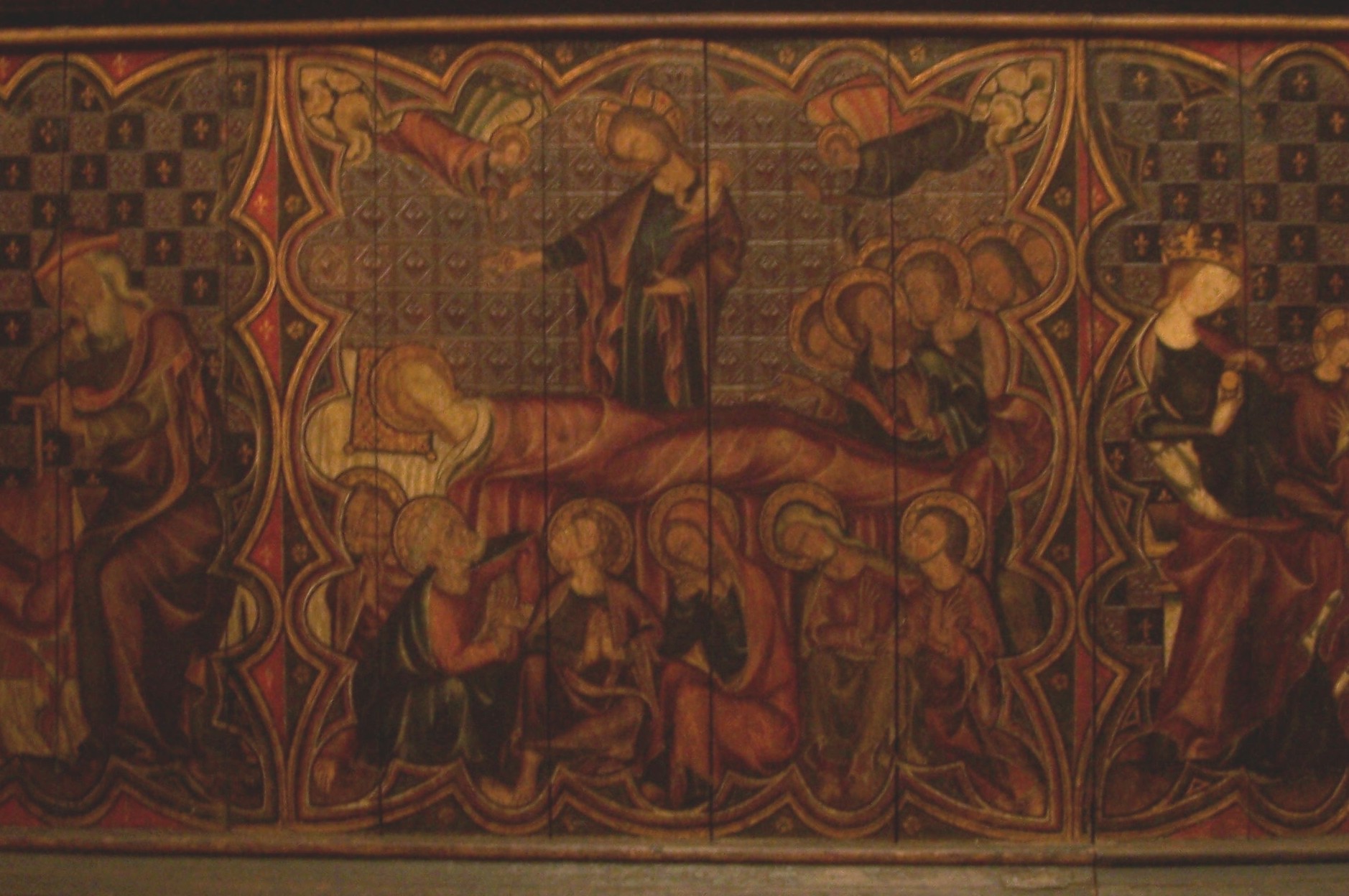
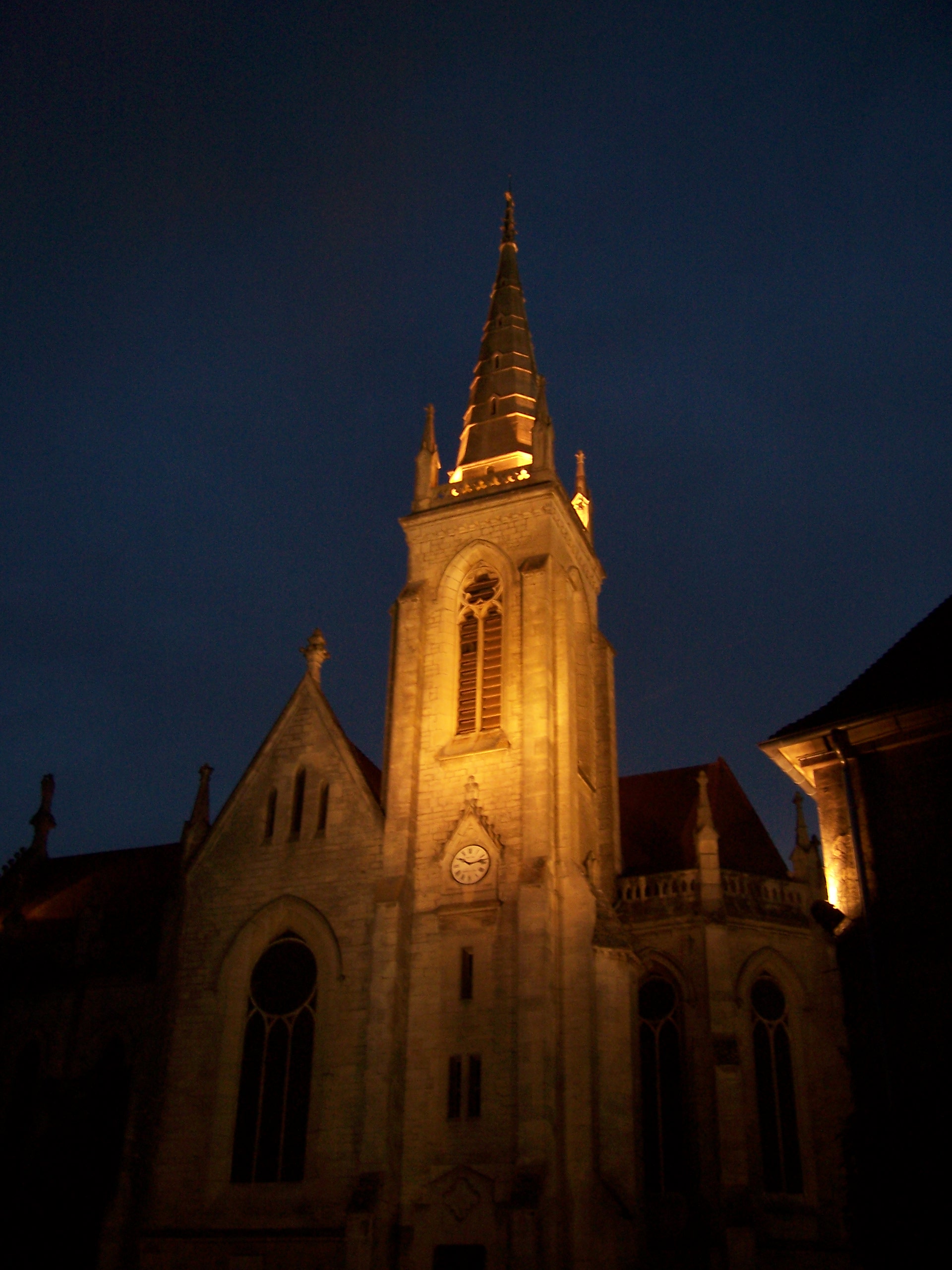 This year’s AELAC (Association pour l’étude de la literature apocryphe chrétienne) réunion took place in Dole, France June 26-28. The association was formed by French and Swiss scholars in 1981 and is responsible for a well-regarded line of critical editions (Corpus Christianorum, Series Apocryphorum), the journal Apocrypha, the Pleiades Apocrypha Collection Études apocryphes chrétiens, and a series of French pocketbook editions of individual texts (La collection de poche apocryphes). The membership of the group has become increasingly international over the years and now includes scholars from across Europe, Russia, and North America. The annual meetings are wonderful opportunities to meet scholars in the field, engage in collaborative endeavours, and hear about new developments in the study of the texts.